The Lottery Ticket
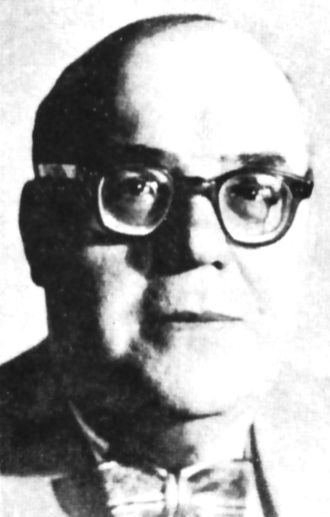
Ventura Garcia Calderon
Ventura García Calderón (1886–1959) was a Peruvian man of letters and a diplomat who was at the center of the hispanophone community in Paris in the first half of the twentieth century. Known as a proponent of Spanish American literature, García Calderón achieved a global celebrity for his dramatic, colorful, and ironic short stories. These stories, published in both Spanish and French, feature a raw depiction of reality, a strong sense of retributive justice, and a sympathy for the marginalized people that characterize European Naturalism. García Calderón adapted this style to advance his goal of providing European readers with an authentic understanding of Peru and Spanish America, thus replacing the voyeuristic and patronizing notion of the “exotic” inherited from literary romanticism and nineteenth-century travel writers.
The construction of García Calderón’s stories was subversive and destabilized the widespread notion of Peru held by European critics and readers. While international critics during the author’s lifetime unanimously praised García Calderón’s fiction as well as his essays that theorize the transformation and renaissance of Spanish language and literature by americano writers, scholars since the 1960s have largely misunderstood his reformative project.
Story
We will read Ventura Garcia Calderon’s short short story, The Lottery Ticket. (pp. 912)
Themes
- Marginalized People
- The Art of Protest!
- Mob Justice
- Network Effects, Virality, and the “Wisdom of Crowds”
- Colour
- Women and Objectification
Additional Material
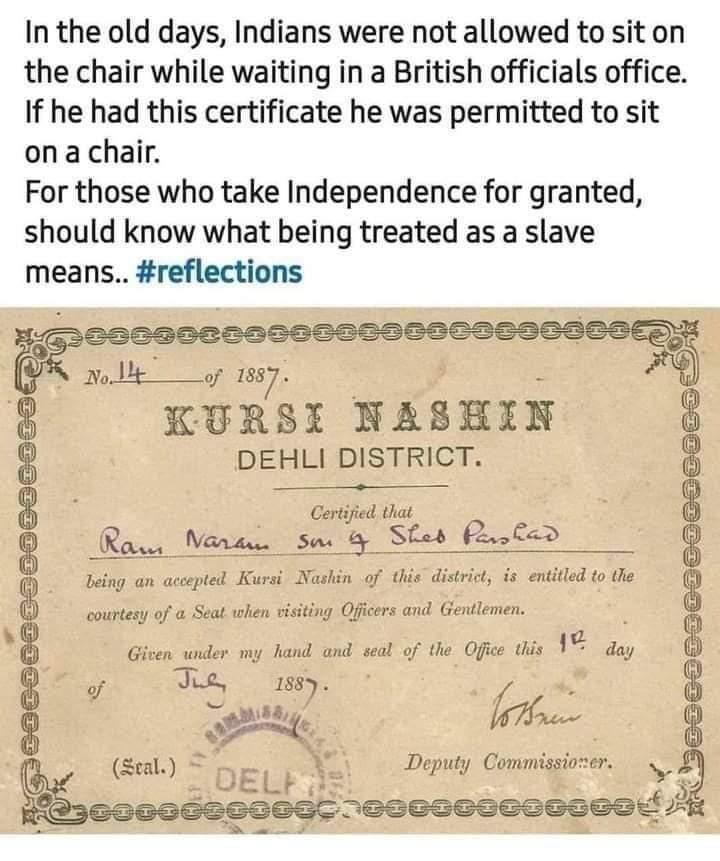
- Kursi Nashin: A Certificate of Discrimination from British India
- Review of The Lottery Ticket https://caponomics.blogspot.com/2013/05/short-story-review-lottery-ticket-by.html
- Ventural Garcia Calderon at Short Story Magic Tricks: https://shortstorymagictricks.com/2021/07/06/the-lottery-ticket-by-ventura-garcia-calderon/
- Goldberg, N. S. (2014). Rereading Ventura García Calderón. Hispania, 97(2), 220–232. http://www.jstor.org/stable/24368768
Notes and References
- Rene Girard’s Mimetic Theory and the Scapegoat: https://violenceandreligion.com/mimetic-theory/
- Frear, G. L. (1992). René Girard on Mimesis, Scapegoats, and Ethics. The Annual of the Society of Christian Ethics, 12, 115–133. http://www.jstor.org/stable/23559770
- The Network Effects Bible. https://www.nfx.com/post/network-effects-bible
Songs for the Story !!
Song for the Black Hero of this story
- Title: What About Me?
- Band: Moving Pictures
- Band Location: Sydney, NSW, Australia
- Album: Days Of Innocence
- Composed By: Garry Frost, Frances Swan
- Release Date: January, 1982
- Chart Position:
- No.1 (Australia)
- No.29 (US Billboard Hot 100)
- No.1 (Australia)
Song for Cielito
- Title: Bette Davis Eyes
- Artiste: Kim Carnes
- Album: Mistaken Identity
- Composed by: Donna Weiss and Jackie DeShannon
- Year: 1981
- Chart Position:
- No.1 (Australia)
- No.1 (US Billboard Hot 100)
- No. 10 (UK Singles Charts)
The “Lottery” Idea in Literature
- Shirley Jackson, The Lottery. https://www.newyorker.com/magazine/1948/06/26/the-lottery
- Munshi Premchand. Lottery, short story in Hindi. https://en.wikipedia.org/wiki/Lottery_(short_story)
- Anton Chekhov, The Lottery Ticket. https://www.classicshorts.com/stories/lottery.html
- Jose Luis Borges. The Lottery of Babylon.
Writing Prompt
- How I went on Strike, myself and me alone
- On an ad for Fairness Cream
- On a personal encounter with racism/bias
- Did I win the Lottery?
- Compare Cielito with the Prostitute in Guy de Maupassant’s story Boule de Suif.